
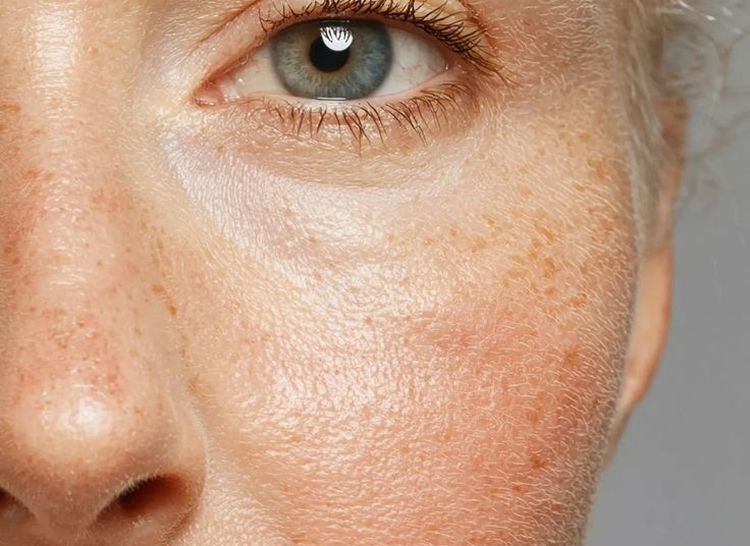
Retinol can work — but it’s not what your skin may love.
For decades, dermatologists have called retinol the gold standard of anti-aging. It smooths fine lines, fades pigmentation, and stimulates collagen. But millions of women also know the other side of that story — flaking, redness, dryness, and sensitivity. “Many of my patients love what retinol promises, but struggle to tolerate it long-term,” says Dr. Maria Keller, a dermatologist and clinical researcher based in Zurich. “That’s why I often recommend natural, retinol-free actives that deliver same results without irritation.” If you’ve ever stopped using your night cream because your skin felt tight or raw, this article is for you.
The science of retinol

Retinol (vitamin A) speeds up cell turnover, helping the skin shed dull, damaged cells and replace them with new, smoother ones. It also stimulates fibroblasts — the cells responsible for collagen and elastin production — making skin firmer over time.
However, that same “acceleration” process can disrupt the skin’s natural barrier, especially for women over 35 when the skin’s lipid layer naturally weakens.
Common side effects include:
- Dryness, flaking, and redness
- Heightened sensitivity to sunlight
- Barrier disruption and inflammation
The challenge with retinol-based products
Retinol is powerful, but not always kind.
Here’s what the science shows:
Benefits:
- Stimulates collagen and elastin production
- Improves fine lines and pigmentation
- Enhances cell renewal for smoother texture
Drawbacks:
- Can cause dryness, redness, and peeling
- Increases UV sensitivity
- Not suitable for sensitive or mature skin
- Contraindicated during pregnancy
Dr. Keller adds: “Many women think they need to ‘push through’ irritation to see results. In reality, long-term inflammation accelerates aging instead of preventing it.”
3 reasons to choose natural alternatives to retinol

Natural “bio-retinols” and botanical actives are redefining skin rejuvenation.
Here’s why dermatologists are turning to these next-generation options:

Reason #1:
Comparable results without irritation
Bakuchiol, peptides, and adaptogenic plant actives mimic retinol’s collagen-boosting effects — minus the dryness and inflammation.

Reason #2:
Barrier-friendly and multitasking
Modern formulations pair these actives with antioxidants and humectants, supporting the skin barrier instead of stripping it.

Reason #3:
Suitable for all skin types
From sensitive to mature skin, these alternatives can be used year-round — no “retinol purging” or photosensitivity phases.
How to select the right natural retinol alternative

Not all natural skin care loss products are created equal. Some may improve the appearance of skin but won’t actually help with real wrinkle reduction, while others can deliver real results. Here are the key criteria to consider when selecting a natural skin care product:
1st criteria
Skin-barrier–first approach
Prioritize formulas that protect and rebuild the skin barrier, rather than exfoliating it. True rejuvenation happens when the lipid layer and microbiome are restored.
Be wary of serums promising “instant resurfacing” — these often lead to hidden micro-inflammation and long-term sensitivity.
2nd criteria
Authentic plant-based formulation
The leading solutions are rooted in long-standing traditions like Ayurveda or Chinese medicine, which have thousands of years of empirical evidence. Ingredients like tulsi, brahmi, or bakuchiol are known for their superior skin care performance.
Avoid “greenwashed” formulas that include plant extracts but rely on synthetic bases.
3rd criteria
Clinically tested formulas
It is important to look for formulas and products which bring real, scientifically proven results. Look for products with clinical studies in reputed locations, demonstrating effectiveness in enhancing visible firmness and wrinkle reduction but without redness or peeling.
Be wary of those who do not share the clinical study details.
4th criteria
Minimal side effects
Formulations containing high degrees of natural ingredients, such as 99%+ naturally made, focus on long-term skin health without irritation or adverse reactions.
Be wary of those trying to pass “tingling” or burning sensations as normal or acceptable, since that is a sign that the sensitive skin is not receiving the product naturally.
5 best natural alternatives to Retinol
Test Winner
1. VEDIC LAB® Skin Care

Summary
VEDIC LAB® stands out for their holistic products that combine Ayurvedic herb science with Swiss biotechnology for clinically superior results. Designed in Switzerland, the products are built on 5,000 years of empirical Ayurvedic wisdom and powered by advanced lab science for superior outcomes on wrinkles. firmness and skin nourishment. All of that with 99%+ natural ingredients, 0% side effects, and a superior texture and experience that skin naturally loves.
Rating
4.9 / 5

Pros:
- Utilizes time-tested Ayurvedic herbs like tulsi, bakuchiol, brahmi, and others to enhance skin health.
- Clinically superior results from independent dermatologist-led studies in Milan, with up to 48% less wrinkle depth in just 1 month.
- The only product in the world that uses vitamin-rich almond milk as a base instead of water or sticky oils for optimal nourishment without rinsing off.
- Premium glass and real-wood packaging, much better for the planet.
Cons:
- Some might find it a bit pricey, though the quality demands a fair premium.

Their clinical superiority is evidenced in their offer of a 30-day money back guarantee for the products. VEDIC LAB® also offers a value-kit which includes their award-winning Overnight Scalp Serum and Cream together at a special offer to its customers, further making the #1 on this list even more attractive overall.
2. Herbivore Botanicals Bakuchiol Serum

Summary
Combines Bakuchiol and Tremella Mushroom to smooth texture and hydrate without any peeling. Ideal for early signs of aging.
Rating
4.1 / 5
Pros:
- Vegan and cruelty-free
- Noticeably softens fine lines
- Lightweight and non-greasy
Cons:
- Minimal concentration of active Bakuchiol (less effective for deep wrinkles)
- Lacks barrier-strengthening lipids
- Short-term glow, limited long-term collagen support
3. Biossance Squalane + Phyto-Retinol Serum

Summary
A well-loved clean beauty option, pairing Bakuchiol with squalane for moisture and suppleness. Works well as a maintenance serum for mild aging concerns.
Rating
3.8 / 5
Pros:
- Gentle, fragrance-free, and eco-certified
- Strengthens hydration barrier
- Suitable for daily use, even under makeup
Cons:
- Results are subtle and gradual
- Formulation focuses more on hydration than wrinkle reduction
- No clinical data on collagen stimulation
4. Tata Harper Superkind Bio Barrier Serum

Summary
This high-end serum blends peptides and plant ceramides to reduce redness and dryness. It feels nurturing and elegant but leans more toward soothing than firming.
Rating
3.6 / 5
Pros:
- Excellent for sensitive, redness-prone skin
- Clean luxury formulation with strong antioxidant base
Cons:
- Extremely high price point for limited results
- No core bio-retinol ingredient
- Texture can feel heavy on oily skin
5. The Inkey List Peptide Moisturizer

Summary
A simple daily moisturizer with peptides and niacinamide for basic barrier repair and hydration. Works well for younger skin starting preventive care.
Summary
3.6 / 5
Pros:
- Great entry-level option
- Non-greasy and fragrance-free
- Hydrates and supports skin tone
Cons:
- No targeted anti-aging or lifting effect
- Not a true retinol alternative — lacks collagen-boosting actives
- Short-term comfort, minimal visible renewal
Conclusion:
When choosing a natural alternative to retinol, women should consider factors such as clinical effectiveness, side effects, and overall value. VEDIC LAB® Ayurvedic formulas, enhanced with Swiss biotechnology, stand out as the top choice.

6 Sources:
- National Institutes of Health (NIH): Studies on Bakuchiol and other natural retinol alternatives for photoaging and collagen stimulation.
- American Academy of Dermatology (AAD): Clinical guidance on retinoid use, side effects, and evidence-based natural alternatives.
- Journal of Cosmetic Dermatology: Research comparing Bakuchiol and retinol in reducing wrinkles and pigmentation with lower irritation.
- Mayo Clinic: Overview of retinoids and their dermatological impact on sensitive and mature skin.
- Harvard Health Publishing: Studies on inflammation-driven skin aging and the role of barrier repair in long-term rejuvenation.
- British Journal of Dermatology: Clinical trials validating the anti-aging efficacy of Bakuchiol and botanical adaptogens in topical formulations.
