
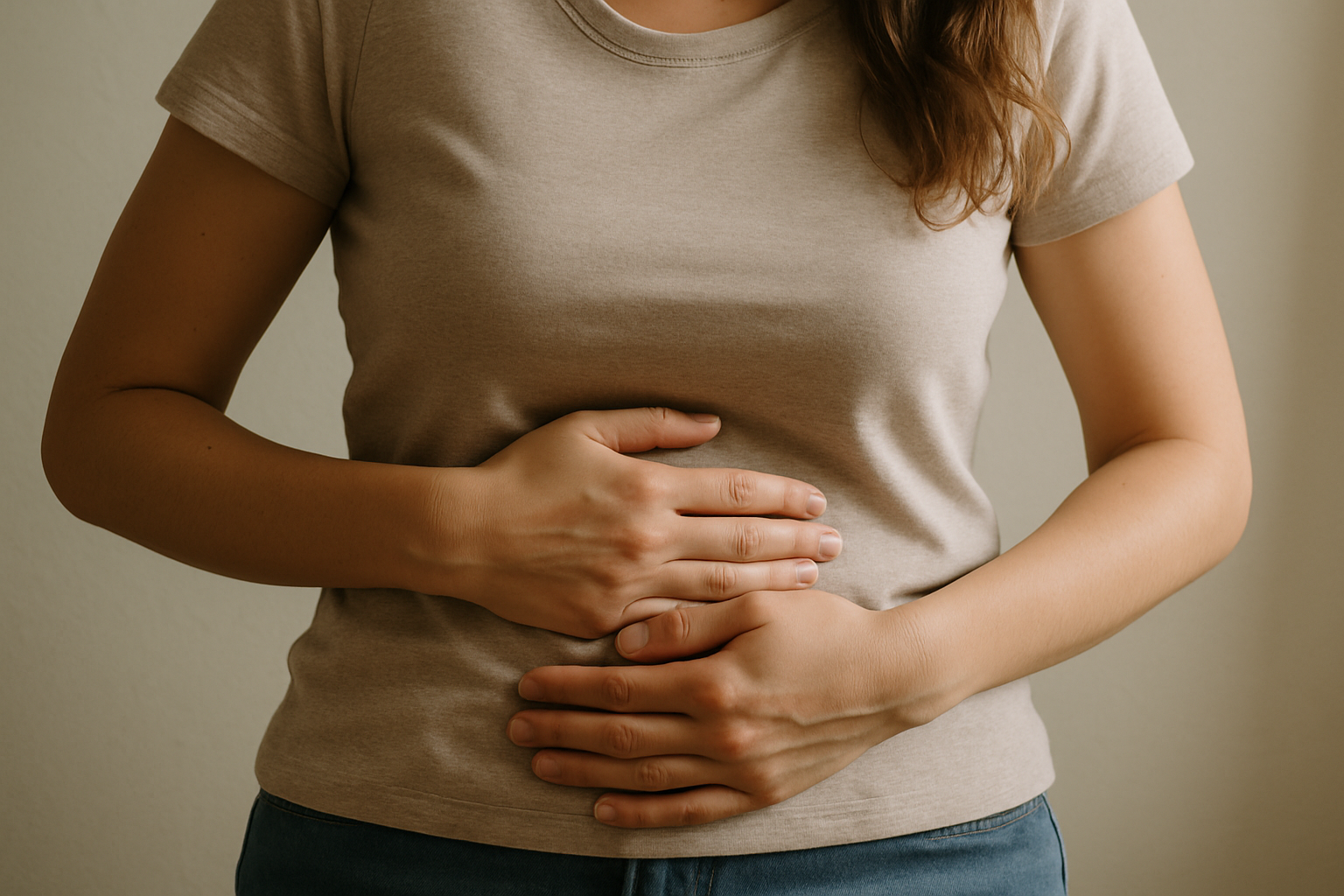
Introduction
Ever felt foggy after eating? Or noticed your skin break out after days of bloating or irregular meals?
It’s not a coincidence.
Your gut doesn’t just digest food — it helps regulate how you feel, how clearly you think, how steady your energy is, and even how your skin looks.
Let’s break down how your digestive system connects to your overall well-being, and what you can do to support it through simple, daily choices.
Your Gut Does More Than You Think
Your gut is home to trillions of bacteria — known as your gut microbiome. These microbes play a major role in:
- Breaking down food
- Absorbing nutrients
- Supporting your immune system
- Regulating mood and brain function
- Managing inflammation in the body
When your digestion is smooth, you tend to feel more energized, calm, and clear-headed. When it’s off — everything else feels off, too.
How Digestion Affects Mood and Mental Clarity
1. The Gut–Brain Connection Is Real
Your gut and brain are connected through the vagus nerve — like a two-way communication line.
Over 90% of serotonin (the feel-good neurotransmitter) is actually made in the gut.
So when your gut is inflamed or imbalanced, you may feel:
- Anxious
- Low in mood
- Foggy or unfocused
- Irritable or wired after meals

What Helps:
- Eat slowly and chew thoroughly
- Create regular meal times — the gut loves routine
- Avoid eating under stress or while multitasking
How Digestion Affects Your Energy
2. Poor Digestion = Poor Fuel
Even a “healthy” meal won’t give you energy if your body can’t digest and absorb it properly.
Signs your gut might not be absorbing well:
- You feel tired after eating
- Bloating or heaviness after light meals
- Frequent constipation or loose stools
- Cravings despite full meals
What Helps:
- Add fiber-rich foods like fruits, vegetables, oats, and lentils
- Drink enough water throughout the day (not just at meals)
- Avoid overeating or grazing non-stop — let your gut rest between meals
How Digestion Affects Your Skin
3. Skin Issues Often Start in the Gut
Acne, dullness, or inflammation on the skin can be a reflection of inner imbalance — especially if digestion is sluggish or irregular.
When the gut can’t eliminate toxins well, your skin often tries to do it for you.
Common gut-skin signs:
- Breakouts after constipation
- Dull skin during digestion issues
- Redness or flare-ups after rich meals

What Helps:
- Support daily elimination (1–2 bowel movements per day is ideal)
- Include colorful vegetables for antioxidants
- Eat more fermented foods (like yogurt or sauerkraut) to balance gut bacteria
- Reduce ultra-processed foods that irritate the gut lining
4. The Gut Loves Rhythm and Simplicity
Our bodies are not designed to process 12 snacks, 5 cuisines, and 6 coffees in one day.
Too much variety, too often, can confuse your gut and overload your system.
What Helps:
- Give yourself 3–5 hours between meals
- Stick to simpler, warm, balanced meals
- Eat at similar times each day to train your gut
- Reduce ultra-processed foods that irritate the gut lining
The more predictable your eating rhythm, the calmer your digestion becomes.
Final Thoughts
Your digestion isn’t just about your stomach — it affects your brain, skin, hormones, and how you show up every day.
If you feel low in energy, emotionally off, or notice breakouts or bloating, your gut might be asking for attention.
Start small:
- Slow down while eating
- Stay hydrated
- Add more fiber, color, and rhythm to your meals
Your gut doesn’t need perfection — it just needs consistency, calm, and care.
Related articles
-

5 Best Natural Supplements for Better Stress Management
Stress is an inevitable part of modern life, and women experience 50% more stress than men. This heightened burden amplifies its effects on mental,…
-

Unraveling the impact of stress and its natural solutions for women
Stress is an unavoidable part of modern life, with women experiencing 50% more stress than men. This heightened stress amplifies its impact on mental,…
-

STRESS 101: Understanding its impact on women’s health
Stress is a universal challenge, but women face it disproportionately—experiencing 50% more stress than men. This heightened burden manifests in emotional, mental, and physical…
-

5 Natural Alternatives to Melatonin That Actually Help You Sleep Better
Sleep problems become more common after the age of 30. Research shows that almost 50% of women in midlife report poor sleep. The main…