


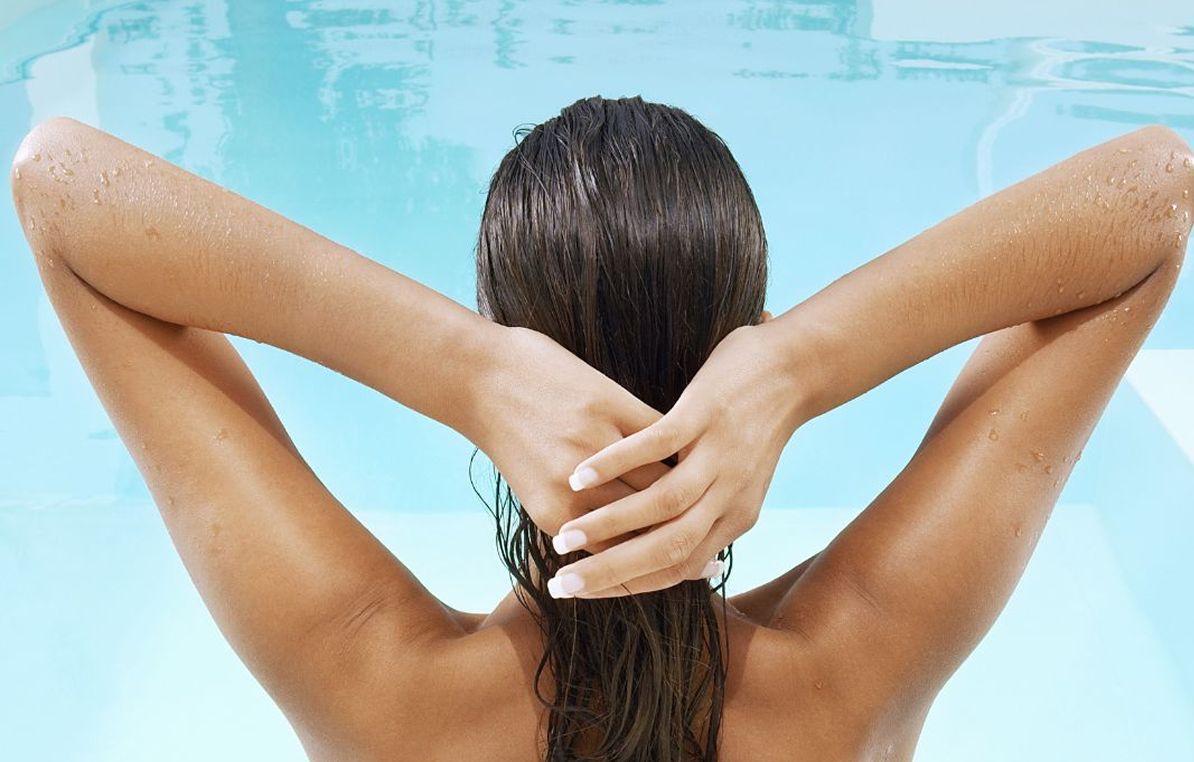
Scalp stress peaks in summer. UV rays, sweat, and chlorine silently disrupt hair growth cycles.
As summer arrives, many of us spend more time outdoors—hiking, swimming, entertaining under the sun. But while our minds benefit from longer days and warmer air, our scalp and hair are quietly under attack.
According to dermatological studies, seasonal hair shedding can increase by up to 30% in summer. The causes are complex, but the pattern is clear: women in mid-life, especially, notice more thinning, dryness, and scalp sensitivity during and after summer.
Understanding why this happens is the first step. Knowing how to reverse it, without over-complicating your routine, is the solution.
The Summer Stressors That Disrupt Scalp and Hair Health

Here’s what happens to your hair and scalp during the warmer months:
Ultraviolet Radiation Damages Hair Structure at the Root
Both UVA and UVB rays penetrate through the hair shaft and scalp surface. Over time, this radiation breaks down keratin proteins and contributes to structural weakening—not just of the hair strand, but at the root level. The result is more breakage, reduced volume, and slower regrowth.
Sweat, Heat and Bacteria Disrupt the Scalp Microbiome
Increased sweat—common during hikes, gardening, or outdoor exercise—creates a moist environment that fuels bacterial and fungal overgrowth. Combined with sun exposure and product build-up, this disrupts the scalp’s pH balance, often leading to inflammation, follicle miniaturisation, and even scalp acne.
Salt and Chlorine Strip the Scalp’s Natural Lipid Barrier
Swimming in pools or lakes may refresh the body—but both chlorine and salt water remove protective sebum from the scalp. This not only leaves the hair shaft dry and porous, but also compromises the scalp’s ability to retain moisture and regulate microbial balance.
Irregular Sleep, Travel and Summer Stress Impact Hormonal Balance
Summer often means late evenings, altered routines, and travel—all of which elevate cortisol, the body’s primary stress hormone. Elevated cortisol is strongly linked to telogen effluvium, a form of temporary hair loss where follicles shift prematurely from the growth phase into shedding.
So What Can You Actually Do About It?

Forget the tired “wear a hat and drink water” advice. These are targeted, science-backed ways to reverse summer’s silent damage and keep your hair thriving:

1. Detox the Scalp Gently
Cleansing is necessary, but overly aggressive shampoos can strip protective oils. Use herbal detox masks once a week containing Ayurvedic ingredients like neem, amla, or mineral clays to dissolve build-up and calm the scalp, without disrupting the microbiome.

2. Treat the Scalp, Not Just the Hair
Conditioners and serums focus on ends—but real renewal starts at the root. The scalp’s receptivity increases at night due to elevated circulation. Applying a targeted Ayurvedic night elixir helps restore follicular health while reducing oxidative stress and inflammation.

3. Lower Water Temperature When Washing
Hot water expands the hair cuticle, increasing protein loss and frizz. Switch to lukewarm water, and rinse with cool water to preserve hydration and scalp integrity.

4. Rethink Your Sleep Environment
Summer sleep is often interrupted. Supporting hair overnight means reducing friction and retaining moisture. Swap cotton pillowcases for mulberry silk, which offers a smoother, gentler surface for scalp and strands alike.
The One Product That Can Reverse Summer Damage
For women who seek to avoid increased shedding, scalp tightness, or a visible change in hair density this summer, VEDIC LAB offers a clinically formulated solution:
VEDIC LAB Scalp Elixir

This night elixir is designed specifically for post-sun scalp recovery. It combines potent Ayurvedic herbal actives with modern Swiss biotechnology to restore balance and nourish at the follicular level.
Rating
4.9 / 5

Before
After
Key Ayurvedaic Actives, enhanced with latest Swiss biotechnology:
- Self-Heal Herb: A phyto-alternative to minoxidil, it helps lower cortisol, support follicle regeneration, and reduce hair fall.
- Golden Flaxseed: Helps enhance natural pigmentation, reducing the appearance of grey hair while nourishing follicle health.
- Brahmi: A plant-based peptide alternative known to calm inflammation, improve scalp circulation, and promote stronger hair growth.
- Bakuchiol: A phyto-retinol alternative offering collagen support to follicles, increasing hair strength without irritation.
- Almond Milk Base: Provides a vitamin-rich, deeply nourishing medium, ensuring the active herbs are delivered effectively to the scalp.
We verified the clinical studies to confirm the results:

Your scalp is biologically active, responsive not just to age and hormones, but also to light, temperature, and stress. Summer may energize the spirit, but it also depletes the scalp unless care is taken.
A simple, expert-led routine can reverse this damage. With the right science-backed practices and nourishing support, your hair can emerge from summer stronger, shinier, and more rooted: literally and figuratively.
5 Sources:
- American Academy of Dermatology (AAD) – Studies and statistics on hair loss in women.
- National Institutes of Health (NIH) – Research on hair loss causes and treatments.
- Harvard Medical School – Information on the hair growth cycle and effects of stress on hair health.
- Independent clinical trials – VEDIC LAB’s study outcomes.
- Mayo Clinic – Common myths and truths about hair loss.
